


-

Add: HeBei ShengShi HongBang Cellulose Technology CO.,LTD.
-

Email
13180486930@163.com -

CONTACT US
+86 13180486930

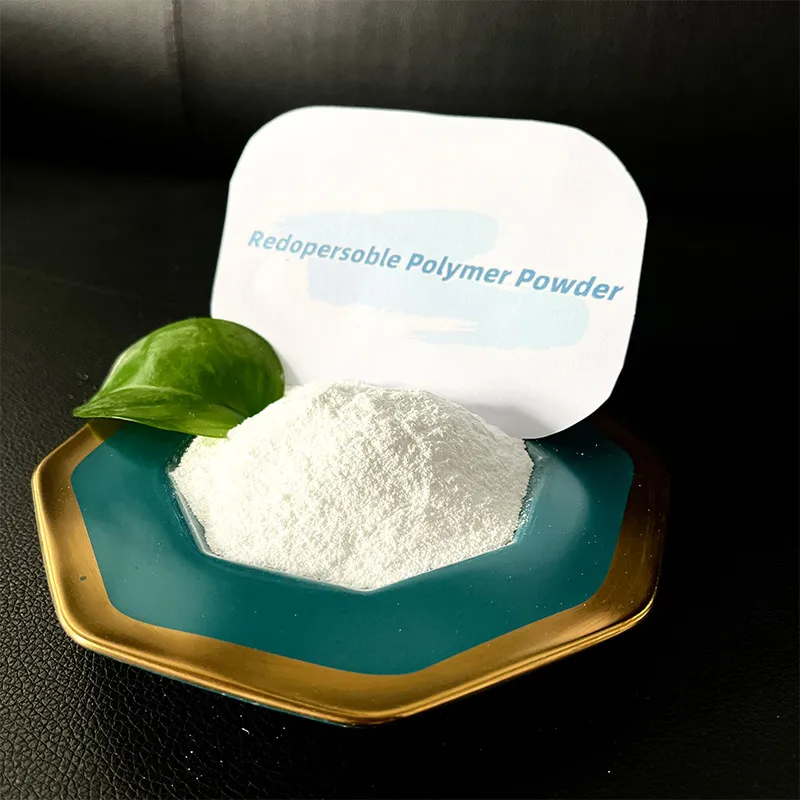


Unlocking Sustainability and Performance: The Versatile Applications of Rubber Powder In an era defined by increasing environmental consciousness and the relentless pursuit of material efficiency, rubber powder uses are rapidly expanding, offering innovative solutions across a multitude of industries. This finely ground, highly engineered material, often derived from recycled tires and industrial rubber waste, represents a pinnacle of circular economy principles. Its unique properties, including elasticity, vibration damping, and chemical resistance, make it an indispensable component in enhancing product performance while simultaneously reducing reliance on virgin resources. As a leading manufacturer of specialized rubber powders like our Rubber powder-821, we understand the critical technical parameters and diverse application requirements that drive value for our B2B partners. This comprehensive guide delves into the intricate world of rubber powder, from its meticulous production to its transformative impact on various sectors. The demand for advanced materials capable of improving durability, reducing noise, and contributing to sustainable development has positioned rubber powder at the forefront of material innovation. Our expertise in tailoring product specifications, such as particle size distribution and surface treatment, allows for optimal integration into complex manufacturing processes. This commitment to precision ensures that each batch of rubber powder not only meets but often exceeds the rigorous performance expectations of our clients. Understanding the specific benefits of incorporating this material, from cost efficiencies to enhanced product lifespan, is crucial for businesses aiming to optimize their material procurement and achieve strategic operational advantages. The Advanced Manufacturing Process of High-Quality Rubber Powder-821 The creation of high-grade rubber powder, particularly specialized variants like Rubber powder-821, involves a sophisticated multi-stage manufacturing process designed to achieve precise material characteristics. Our process typically begins with the careful sourcing and sorting of scrap rubber, primarily end-of-life tires or industrial rubber waste, ensuring material consistency and purity. This raw material then undergoes initial shredding, breaking down large rubber pieces into smaller, manageable fragments. The fragments are subsequently fed into granulation systems, where they are further reduced in size through mechanical grinding. For ultra-fine powders or those requiring specific morphological properties, advanced cryogenic grinding techniques may be employed, involving cooling the rubber to embrittlement temperatures using liquid nitrogen, followed by pulverization. This method helps maintain the rubber's inherent polymer structure and prevents thermal degradation. Following grinding, the material undergoes rigorous separation and screening stages to remove impurities like steel wire and textile fibers, ensuring the final product's purity. Multi-deck vibratory screens and air classifiers are commonly used to achieve precise particle size distribution, critical for various `rubber powder uses`. Our inspection standards adhere strictly to international benchmarks such as ISO 9001 for quality management and relevant ASTM standards for material testing, guaranteeing consistent product quality. The material's durability and expected lifespan in its final application are significantly influenced by this meticulous manufacturing process, which preserves critical properties like elasticity and resilience. This ensures Rubber powder-821 delivers superior performance in demanding applications across industries such as petrochemicals, metallurgy, and water supply/drainage, often providing advantages in energy efficiency and enhanced corrosion resistance when integrated into composite materials. Key Technical Parameters and Performance Metrics of Rubber Powder Understanding the technical specifications of rubber powder is paramount for B2B clients looking to optimize their material formulations and application performance. The characteristics of rubber powder, including particle size, specific gravity, and chemical composition, dictate its suitability for specific `rubber powder uses`. For instance, a finer particle size (e.g., 80-120 mesh) offers a larger surface area, enhancing reactivity and dispersion in composite materials, while coarser grades (e.g., 20-40 mesh) are ideal for bulk applications like infill for sports surfaces. We prioritize precise particle size control for our Rubber powder-821, ensuring uniformity that translates to consistent end-product quality. Below is a typical parameter table for high-quality rubber powder, outlining crucial metrics that influence its performance and suitability for various applications. These parameters are rigorously tested in our facilities, often exceeding standard industry expectations. For specialized materials like `nitrile rubber powder`, specific parameters related to oil resistance and thermal stability become even more critical. Parameter Typical Value (Rubber powder-821) Testing Standard Relevance to Application Particle Size (Mesh) 30-120 mesh (variable) ASTM D5603 Influences dispersion, surface finish, and mechanical properties. Specific Gravity (g/cm³) 1.10 - 1.18 ASTM D297 Determines bulk density and formulation weight. Moisture Content (%) < 0.5 ASTM D1509 Low moisture prevents processing issues and maintains stability. Ash Content (%) < 5.0 ASTM D297 Indicates purity and presence of inorganic fillers. Acetone Extract (%) < 3.0 ASTM D297 Measures soluble organic compounds, affecting compatibility. Fiber Content (%) < 0.1 Internal Method Ensures purity and prevents processing blockages. Diverse Applications of Rubber Powder Across Key Industries The versatility of rubber powder allows for its incorporation into a wide array of products and processes, each leveraging its unique material characteristics. One of the most significant rubber powder uses is in road construction, particularly in the production of rubberized asphalt (crumb rubber modified asphalt). This application not only provides an environmentally friendly outlet for waste tires but also significantly enhances pavement performance by improving elasticity, reducing cracking, and extending the lifespan of roadways. Such advancements lead to considerable long-term cost savings in infrastructure maintenance. Beyond infrastructure, rubber powder is extensively used in the automotive sector for manufacturing new tires, brake pads, and various rubber components like floor mats and seals, contributing to reduced noise and vibration. In the construction industry, it finds application in waterproofing membranes, roofing materials, and flooring, providing enhanced durability, sound insulation, and anti-slip properties. Sports and recreation also benefit immensely, with rubber powder uses as infill for artificial turf fields, running tracks, and playground surfaces, offering improved shock absorption and safety. The increasing popularity of `rubber powder coating` as a protective and decorative finish highlights its growing aesthetic and functional versatility. Furthermore, the development of `rubber anti tack powder` and the use of `talc powder for rubber` as processing aids underline the sophistication in rubber compounding. Our Rubber powder-821, with its consistent particle size and high purity, is specifically engineered to excel in these diverse applications, ensuring optimal performance and material compatibility. From enhancing the resilience of industrial gaskets in petrochemical plants to improving the wear resistance of components in metallurgical applications, our product delivers tangible benefits. We provide tailored solutions to match specific project requirements, ensuring that whether you need `fine rubber powder` for intricate molding or coarser grades for heavy-duty applications, we have the expertise to deliver. Custom Solutions and Manufacturer Advantages: SSHB HPMC's Expertise Choosing the right supplier for rubber powder is as critical as selecting the material itself. As SSHB HPMC, we pride ourselves on our deep technical expertise and our ability to provide custom solutions that meet precise client specifications. Our manufacturing facilities are equipped with state-of-the-art `rubber powder production line` technology, allowing for stringent control over particle size, morphology, and purity. We understand that standard products may not always suffice for highly specialized rubber powder uses , which is why we offer bespoke formulations. Whether you require specific mesh sizes for a unique polymer blend, a particular grade of `nitrile rubber powder` for oil resistance, or an anti-tack treated powder, our R&D team works closely with clients to develop tailor-made solutions. Our commitment to quality is reinforced by multiple industry certifications, including ISO 9001 for quality management systems and adherence to relevant ASTM and ANSI standards. With years of dedicated service in the B2B sector, we have cultivated an unparalleled understanding of market dynamics and client needs. Our authoritative position in the market is built on a foundation of transparent testing data, comprehensive product documentation, and robust client support. We offer detailed application guidance and technical assistance, ensuring seamless integration of our Rubber powder-821 into your manufacturing processes. This level of partnership extends to exploring optimal `rubber powder price` structures that align with long-term supply agreements and volume commitments, delivering consistent value. Trust and Transparency: FAQs, Delivery, and Warranty Building trust with our B2B partners is at the core of our operations. We believe in complete transparency regarding our products, processes, and commitments. Below are some frequently asked questions (FAQs) that address common concerns about rubber powder uses and our services: Frequently Asked Questions (FAQs): Q: What is the lead time for orders of Rubber powder-821? A: Our standard delivery cycle typically ranges from 7 to 14 business days, depending on order volume and specific customization requirements. Expedited options are available upon request. Q: What are your quality assurance protocols? A: We operate under strict ISO 9001 certified quality management systems. Every batch undergoes rigorous testing for particle size distribution, purity, moisture content, and other critical parameters to ensure it meets or exceeds industry standards and client specifications. Q: Do you offer samples for testing? A: Yes, we provide samples of Rubber powder-821 for qualification testing to ensure compatibility and performance in your specific application prior to bulk orders. Q: What is the typical shelf life of rubber powder? A: When stored in a cool, dry place away from direct sunlight and moisture, our rubber powder typically has a shelf life of 12-24 months without significant degradation of properties. Q: Can your rubber powder be used in food-contact applications? A: While many rubber powder uses are industrial, specific grades might be applicable in certain indirect food-contact scenarios if they meet relevant FDA or equivalent regulations. Please consult our technical team for specific grade information and certifications. Delivery and Logistics: We leverage a robust global logistics network to ensure timely and efficient delivery of Rubber powder-821 to your facility, whether domestic or international. Our packaging is designed to protect the product from moisture and contamination during transit. Quality Warranty: We stand behind the quality of our Rubber powder-821 with a comprehensive warranty against manufacturing defects and non-conformance to agreed-upon specifications. Our dedicated customer support team is available to assist with any technical inquiries or after-sales service, ensuring your complete satisfaction and successful integration of our products. Conclusion: Partnering for Sustainable Innovation with Rubber Powder The expanding landscape of rubber powder uses underscores its pivotal role in driving sustainable innovation and enhancing material performance across diverse industrial sectors. From revitalizing infrastructure with rubberized asphalt to optimizing polymer blends in advanced manufacturing, the benefits are clear: reduced environmental impact, improved product durability, and significant cost efficiencies. As a specialized manufacturer of high-quality rubber powder, including our flagship Rubber powder-821, SSHB HPMC is committed to being your reliable partner in leveraging these advantages. Our unwavering dedication to technical excellence, rigorous quality control, and client-centric custom solutions ensures that you receive a product that not only meets but exceeds your most demanding requirements. By choosing our rubber powder, you are not just acquiring a raw material; you are investing in a sustainable future, backed by industry-leading expertise and a proven track record of trust and authority. We invite B2B decision-makers and technical professionals to explore the full potential of rubber powder and collaborate with us to unlock new possibilities for their applications. References Thomas, M. T., & Stephen, J. (2010). Rubber powder from waste tires: A review. Waste Management, 30(10), 1735-1748. Fontana, E., & Marabelli, M. (2020). Sustainable approaches for the valorization of end-of-life tires: A review. Journal of Cleaner Production, 268, 122240. Ali, K. F., & Al-Jumaily, Y. M. (2018). Characteristics and applications of crumb rubber in construction. Journal of Engineering Science and Technology Review, 11(2), 22-31. Sekutowski, J. C. (2018). Devulcanization of rubber for recycling. Rubber Chemistry and Technology, 91(4), 677-701.
- 40000tons

Production
- 20+years

Experience
- 5000+㎡

Acreage

-
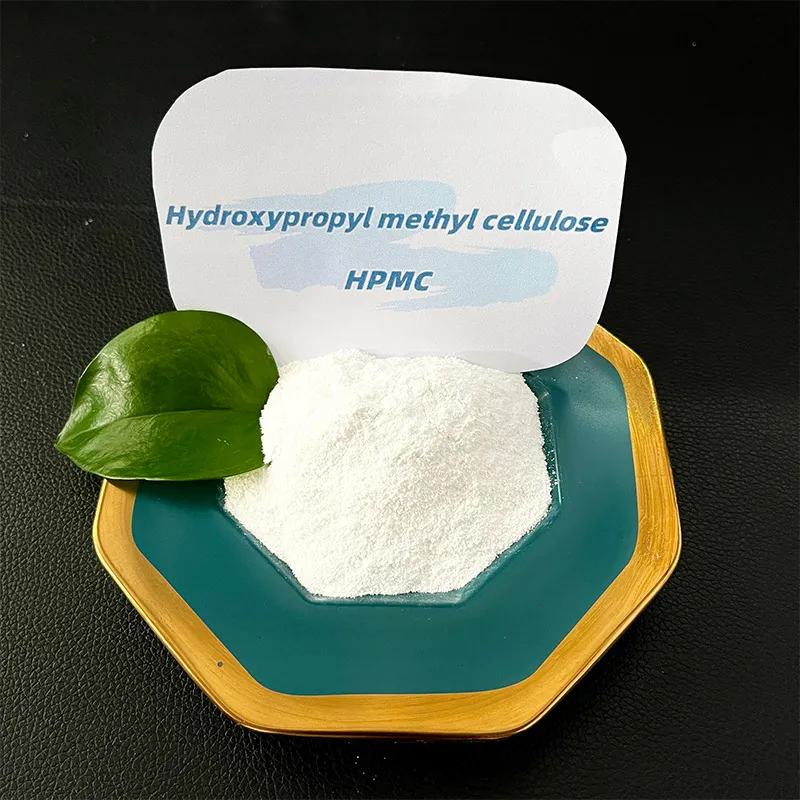
In the world of pharmaceuticals and nutraceuticals, excipients play an essential role in the formulation of drugs, enhancing both their stability and efficacy. Among these, Hydroxypropyl Methylcellulose (HPMC) stands out for its versatile properties and broad range of applications. This article delves into the distinctive characteristics, production processes, and essential benefits of HPMC as an excipient, providing invaluable insights for manufacturers and formulators who aim to leverage its unique attributes for product development. Hydroxypropyl Methylcellulose is a semi-synthetic, inert, and viscoelastic polymer, derived from cellulose. It is renowned for its exceptional ability to modify the viscosity of solutions and its role as a stabilizer, thickener, and film former. These properties make HPMC a preferred choice in the pharmaceutical industry, where it is employed not only in tablet production but also in controlled-release formulations, ophthalmic preparations, and topical agents. The production of HPMC involves the treatment of cellulose with sodium hydroxide followed by a treatment with methyl chloride and propylene oxide. This process yields a complex and adaptable product that can be tailored to meet the specific demands of various drugs, enhancing their performance in ways few other excipients can. The critical control over the degree of substitution and the molecular weight distribution allows manufacturers to customize the viscosity and gel temperature, thus optimizing the stability and release profiles of pharmaceutical formulations. What sets Hydroxypropyl Methylcellulose apart is its role in controlled release mechanisms . As an integral component of hydrophilic matrix systems, HPMC controls the release rate of active pharmaceutical ingredients through a sophisticated erosion and diffusion process. When in contact with bodily fluids, it hydrates rapidly to form a gel layer that regulates drug diffusion and subsequent dissolution. This unique characteristic is particularly advantageous for sustained and controlled-release tablets, providing a predictable pharmacokinetic profile and enhancing patient compliance. hydroxypropyl methylcellulose excipient In topical applications, HPMC serves as an effective film-former, creating a protective layer that not only enhances the delivery of therapeutic agents but also provides moisturizing benefits. Its hypoallergenic and non-toxic nature makes it an optimal choice for dermatological products, ensuring safety and efficacy even in sensitive applications. From a formulators’ perspective, the versatility of Hydroxypropyl Methylcellulose extends into the nutritional supplement industry. It plays a crucial role in the encapsulation of herbal extracts and vitamins, providing a plant-based alternative to gelatin capsules. This property aligns with the increasing consumer demand for vegetarian and vegan products, positioning HPMC as a forward-thinking solution for sustainable product lines. Quality consistency in HPMC production is paramount. Rigorous adherence to Good Manufacturing Practices (GMP) ensures that each batch meets stringent quality standards. Manufacturers who prioritize transparency and reliability in their supply chain build trust with formulators, ultimately impacting the success of end products in the market. Through precise control of process variables and a commitment to quality assurance protocols, the integrity of HPMC as a high-grade excipient is maintained, fostering trust throughout the industry. For formulators exploring innovative ways to augment drug delivery and product integrity, Hydroxypropyl Methylcellulose presents itself as a robust ally. Its adaptability in formulation design, coupled with its favorable safety profile, positions it as a core material in the advancement of both pharmaceutical and nutraceutical applications. When selecting excipients, understanding the inherently unique properties of HPMC could be a game-changer, offering an avenue to superior product performance, enhanced patient experiences, and a competitive edge in the ever-evolving landscape of health and wellness products.
-
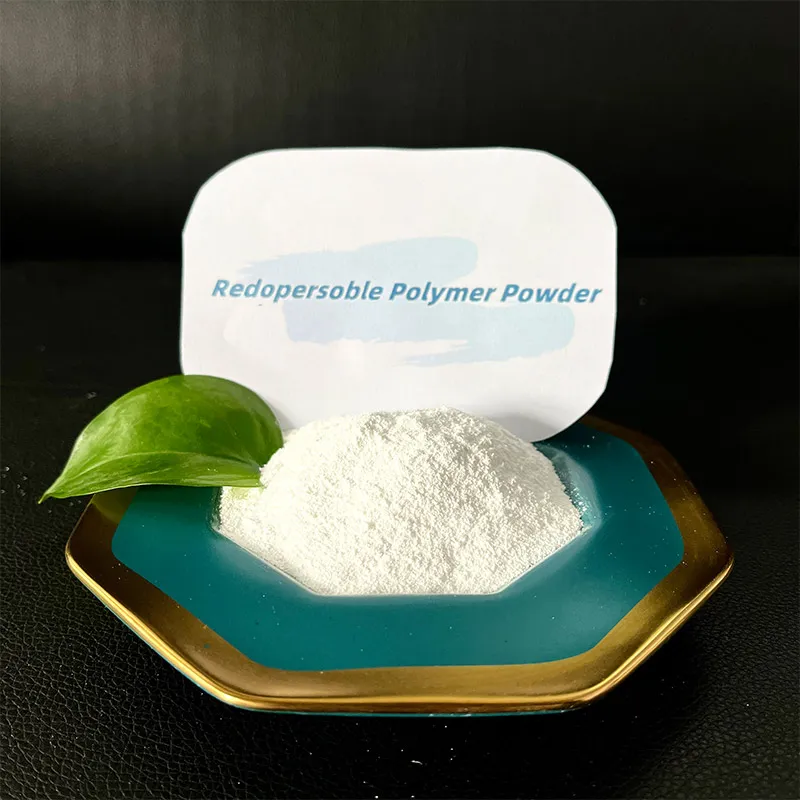
The Emergence and Significance of Manufactured Fiber in the Textile Industry Manufactured fibers, commonly referred to as synthetic fibers, play a pivotal role in the modern textile industry. These fibers, created through chemical processes, differ significantly from natural fibers such as cotton, linen, or wool. Their unique properties, versatility, and the ability to cater to specific consumer needs have solidified their position in the fabric market. The Emergence and Significance of Manufactured Fiber in the Textile Industry One of the key advantages of manufactured fibers is their ability to be engineered for specific functionalities. For instance, polyester is widely known for its strength and resistance to shrinking and stretching, making it an excellent choice for outdoor and performance wear. Similarly, nylon offers exceptional elasticity and resilience, which is why it is commonly used in activewear and lingerie. Innovations in fiber technology have resulted in products like moisture-wicking fabrics, anti-microbial treatments, and UV-resistant textiles, catering to the evolving demands of consumers who seek durability and specialized performance in their clothing. fibra manufacturada Moreover, the economic implications of manufactured fibers are substantial. As the global demand for textiles continues to grow, the capacity to produce synthetic fibers at scale provides manufacturers with the ability to meet a variety of market needs efficiently. These processes are often less labor-intensive compared to the cultivation of natural fibers, which can be affected by environmental conditions and rely heavily on agricultural practices. The consistent output and lower production costs associated with manufactured fibers create a more stable market environment, contributing to the overall economy in terms of job creation and industry development. However, the rise of manufactured fibers has not been without controversy. Environmental concerns regarding the production and disposal of synthetic fibers have been increasingly scrutinized. The petroleum-derived nature of many synthetic fibers raises questions about sustainability, as these materials contribute to pollution and are typically non-biodegradable. Efforts to address these challenges have sparked innovations in recycling and the development of bio-based synthetic fibers that aim to minimize the carbon footprint of textile production. Brands focusing on sustainability are now investing in closed-loop systems to recycle polyester and other synthetic materials, thus reducing waste and promoting a more circular economy. In addition to the environmental challenges, there is also a growing consumer consciousness regarding the impact of manufactured fibers on skin health. Some individuals may experience irritation or allergic reactions to synthetic materials, leading to a demand for hypoallergenic options. As a response to these concerns, manufacturers are developing new fibers that combine the benefits of synthetic materials with the qualities of natural fibers, such as breathability and softness. In conclusion, manufactured fibers have profoundly influenced the textile industry by providing versatile, high-performance alternatives to natural fibers. While they present challenges in terms of sustainability and consumer health, ongoing innovations and a shift toward more environmentally friendly practices indicate a promising future for these materials. As technology and design continue to evolve, the textile landscape will undoubtedly reflect a balance between the advantages of manufactured fibers and the growing need for responsible consumption and production practices. The journey of manufactured fibers from inception to present-day use highlights the dynamic nature of fashion and textile development, driven by both necessity and innovation.
advantages
-

200000 Viscosities
Excellent product
We can produce pure products up to 200,000 viscosities
-

40000 tons
High yield
We don’t stop production all year round, and the annual output can reach 40,000 tons
-

24 hours
Quality service
We provide 24-hours online reception service, welcome to consult at any time
———— Inquiry Form
Schedule A services
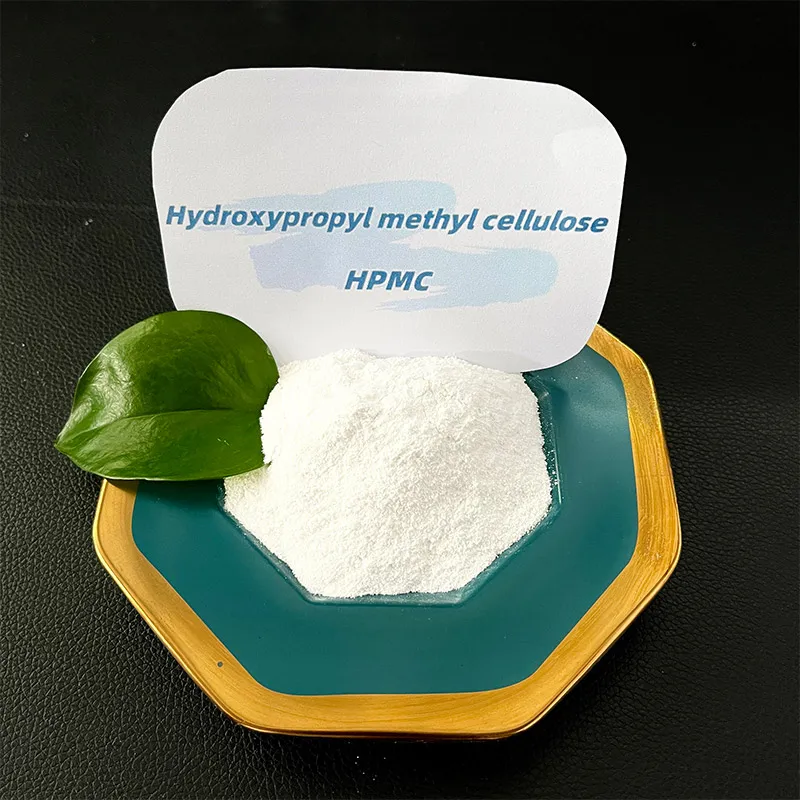
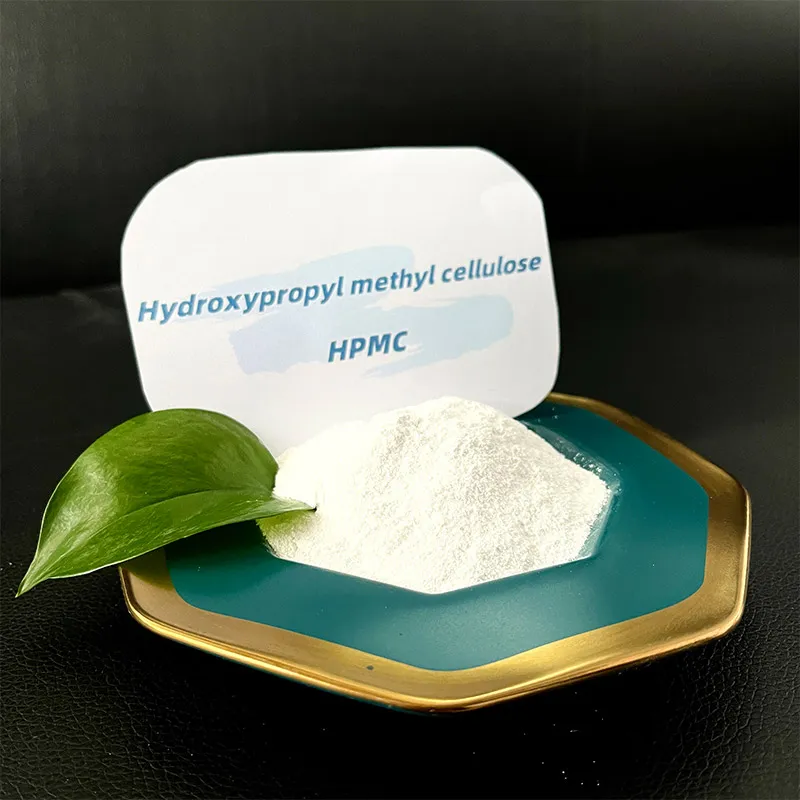
- hpmc_in_eye_drops
Oct . 25, 2025
L’idrossipropilmetilcellulosa (HPMC) è un composto polimerico che trova un ampio utilizzo in diversi -
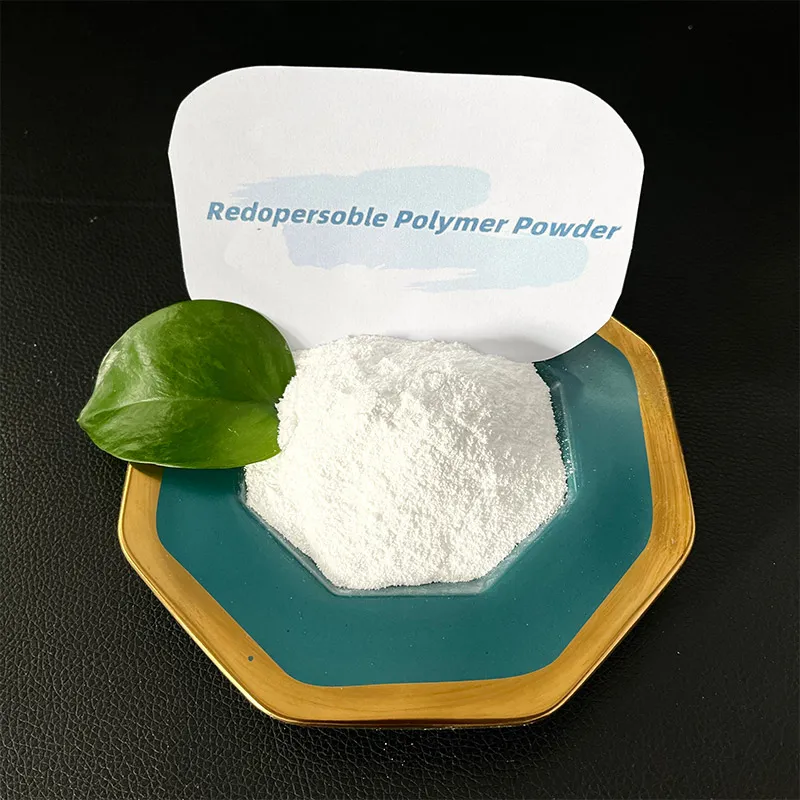 retardador_de_yeso
Oct . 25, 2025
The Role of Hydroxypropyl Starch Phosphate in Hair Care Products In recent years, the beauty and per -
 hydroxypropyl_methylcellulose_benefits_for_skin
Oct . 25, 2025
Understanding the solubility properties of hydroxypropyl methylcellulose (HPMC) E5 is crucial for in


